As dogs age, their bathroom habits change in ways that catch many owners off guard. Senior dogs may go more often, less predictably, and sometimes indoors as their bodies slow down. Adapting your pet waste routine to a senior dog with patience and the right tools keeps both of you comfortable in 2026.
How Aging Changes a Dog’s Bathroom Habits
Older dogs often experience weaker bladder control, slower digestion, and reduced mobility. Some develop incontinence, while others simply cannot hold it as long as they used to. These are natural parts of aging, not misbehavior.
Health conditions common in seniors, such as kidney issues, arthritis, or cognitive decline, can all affect elimination. A change in your dog’s waste patterns is worth a vet conversation, since it can signal something treatable.
Reading the Signs
Watch for more frequent accidents, straining, changes in stool consistency, or reluctance to walk far to a potty spot. Documenting these helps your veterinarian pinpoint causes.
Adapting Your Cleanup Routine
Senior care means more frequent, gentler cleanup, both indoors and out. Keeping supplies within arm’s reach reduces stress for everyone.
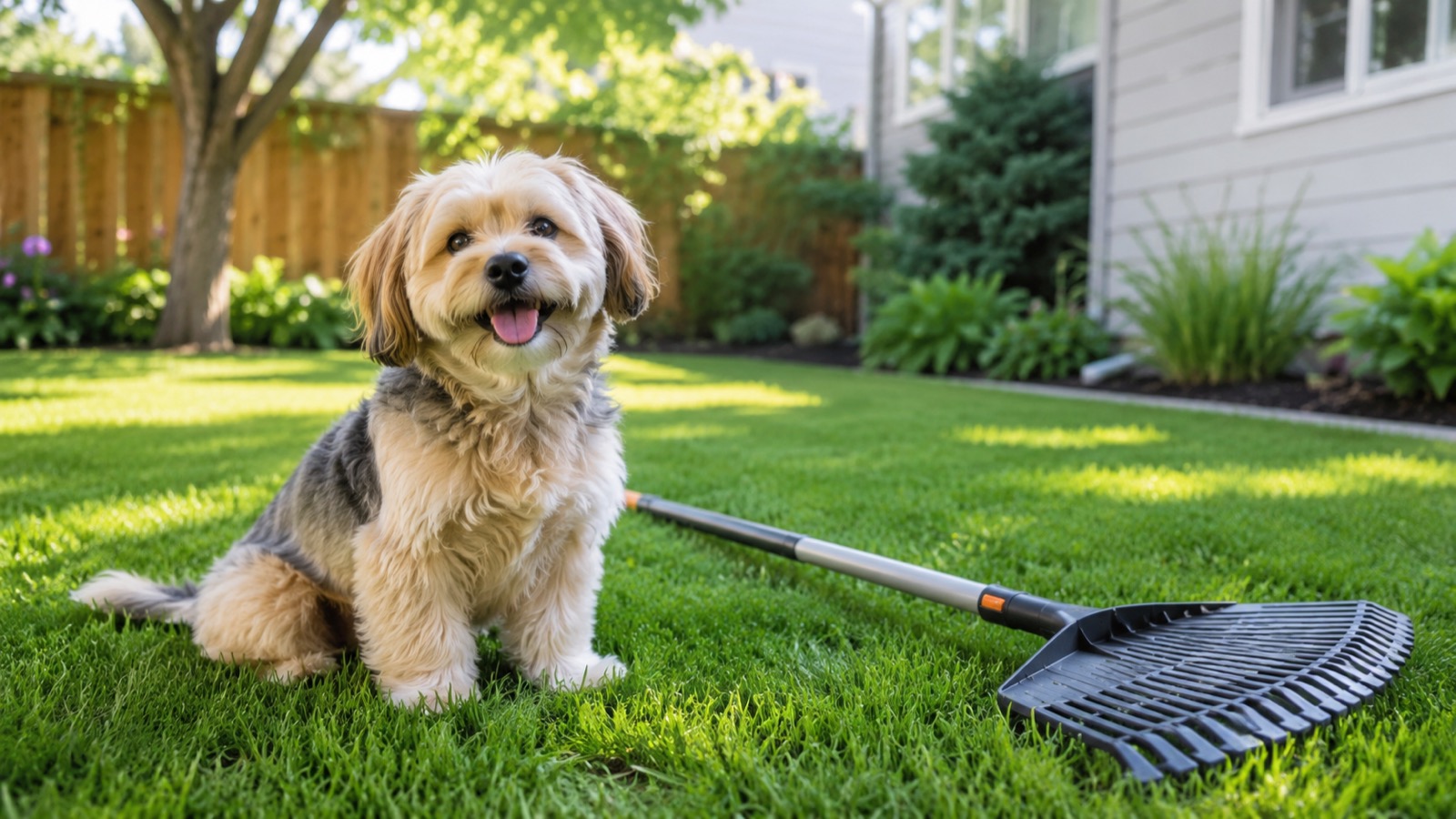
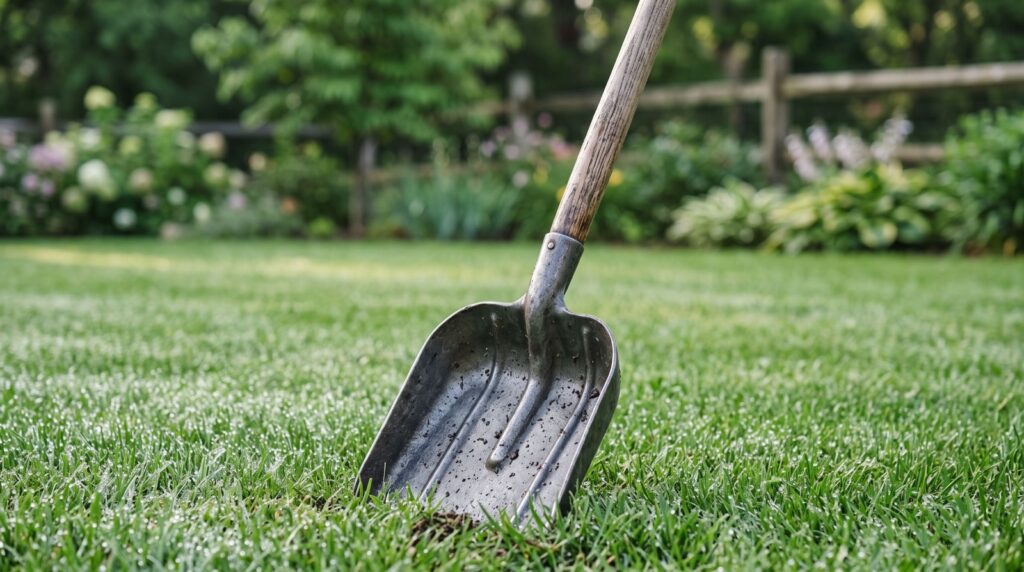
A long-handled heavy Dog duty Bags setup lets you handle softer, more frequent senior waste without bending or double-bagging. When your older dog needs quick trips close to the door, a Pooper scooper within reach makes fast cleanup effortless on hard days.
- Enzyme cleaner for indoor accidents
- Washable potty pads near sleeping areas
- A long-handled scooper to save your back
- Absorbent, easy-tie waste bags
- Non-slip mats to steady a wobbly senior
Managing Indoor Accidents Compassionately
Accidents will happen, and scolding a senior dog only causes stress. Clean thoroughly with an enzyme product to remove odor, and consider washable pads in favorite resting spots.
- Blot the accident immediately.
- Apply enzyme cleaner generously.
- Let it dwell, then blot dry.
- Place a washable pad if the spot repeats.
- Never punish the dog for age-related accidents.
Senior Dog Potty Support Options
| Challenge | Cleanup Adaptation | Comfort Aid |
|---|---|---|
| Weak bladder | More frequent trips | Doggie diapers at night |
| Arthritis | Potty spot near door | Ramps, non-slip mats |
| Incontinence | Washable pads | Waterproof bedding |
| Cognitive decline | Scheduled potty times | Consistent routine |
Monitoring Waste for Early Warning Signs
For a senior dog, cleanup time is one of the most valuable health checkpoints you have. Subtle changes in waste often appear before other symptoms, giving you a head start on age-related conditions.
Pay attention to consistency, color, frequency, and any straining. Dark or bloody stool, sudden diarrhea, or constipation can signal issues ranging from dietary trouble to more serious internal conditions that respond best to early treatment.
Keep a simple log if your dog has ongoing health concerns. Noting patterns over a week or two gives your veterinarian concrete information, which often leads to a faster, more accurate diagnosis than a vague description from memory.
Diet Adjustments That Ease Cleanup
What goes into an aging dog shapes what you clean up. Senior-formulated diets and appropriate fiber can produce firmer, more regular stool that is easier to collect and gentler on your dog’s system.
- Ask your vet about senior or digestive-support formulas.
- Introduce any diet change gradually to avoid upset.
- Ensure constant access to fresh water to prevent constipation.
- Consider vet-approved fiber or probiotics for irregularity.
Hydration is especially important for older dogs, whose kidneys work less efficiently. Adequate water keeps waste at a healthy consistency and supports overall organ function, which shows up directly in easier, more predictable cleanup.
Keeping a Senior Dog Healthy and Clean
Prompt cleanup protects an aging dog’s already-vulnerable health. The American Veterinary Medical Association recommends closer monitoring and regular veterinary care for senior pets; explore the AVMA’s senior pet care FAQ for guidance.
If bending and frequent cleanup become physically hard for you too, help is available. Hiring trusted professionals for yard maintenance lets you focus your energy on your dog’s comfort and companionship.
When to Talk to Your Veterinarian
Some changes are normal aging; others need professional attention. Knowing the difference protects your senior dog and gives you peace of mind during a stage that can feel uncertain.
Book a vet visit if you notice sudden incontinence, straining, blood in the stool, dramatic changes in frequency, or accidents from a previously reliable dog. These can point to urinary tract infections, kidney disease, or cognitive dysfunction, many of which respond well to early treatment.
Never assume that new accidents are simply your dog “getting old and stubborn.” Age-related elimination changes almost always have a physical cause, and a checkup often uncovers something manageable that improves your dog’s comfort and reduces your cleanup at the same time.
Frequently Asked Questions
Why does my senior dog poop more often?
Aging slows digestion and weakens muscle control, and some health conditions increase frequency. If the change is sudden, consult your vet to rule out treatable issues.
Should I punish my old dog for indoor accidents?
Never. Age-related accidents are involuntary. Clean calmly with an enzyme product and adapt with pads and scheduled potty breaks instead of scolding.
Are doggie diapers a good idea for senior dogs?
They can help incontinent seniors, especially overnight. Change them frequently and keep the skin clean and dry to prevent irritation and infection.
How can I make cleanup easier as my dog ages?
Use a long-handled scooper to protect your back, keep enzyme cleaner and pads handy, and set up a potty area close to the door for your dog’s comfort.
Creating a Comfortable Potty Environment
An aging body needs an accommodating setup. Small changes to where and how your senior dog relieves itself reduce accidents and spare them pain, which in turn lightens your cleanup load.
Bring the potty area closer to the door so an arthritic dog does not have to travel far, and add ramps over steps they once climbed easily. A gently sloped, non-slip path prevents the falls that a wobbly senior can suffer on icy or wet ground.
Indoors, place washable pads near sleeping and resting spots for dogs that cannot always make it outside in time. Treating accidents as a manageable part of aging, rather than a failure, keeps both you and your dog calm and comfortable.
Balancing Care With Your Own Wellbeing
Caring for a senior dog is rewarding but demanding, and the extra cleanup can wear on you physically and emotionally. Protecting your own energy helps you show up fully for your companion.
- Use long-handled tools to avoid straining your back.
- Share cleanup duties among household members.
- Hire out yard maintenance during especially busy or hard stretches.
- Give yourself grace on the tough days; you are doing meaningful work.
There is no prize for burning out. Accepting help, whether from family or a service, lets you spend your best energy on the companionship your senior dog craves most in these tender final years together.
Care That Ages Gracefully
A thoughtful pet waste routine keeps your senior dog dignified, comfortable, and healthy through their golden years in 2026. With patience, the right tools, and a little help when you need it, you can handle every stage together. Ready to make cleanup gentle and easy? Gear up with senior-friendly supplies today.